
A Fresh Start for the Embattled Public Water Industry
After years of challenges and setbacks, England and Wales’s public water industry is poised for renewal.
AMP8 represents an unprecedented investment of £104 billion aimed at overhauling the water and wastewater infrastructure, improving environmental outcomes, and ensuring sustainable water supply for the future.
This chapter marks a transformative phase for the public water sector, with its ambitious investment plans and a commitment to overcoming past difficulties.
AMP8 is set to be the biggest investment plan since the privatisation of the sector.
Fact check: The public water sector was privatised in 1989 when the government transferred the provision of water and wastewater services from the state to the private sector with the sale of 10 regional water authorities creating 10 new Water and Sewerage Companies.
The process also created three new regulatory bodies; the Drinking Water Inspectorate (DWI), the National Rivers Authority (now Environment Agency and Natural Resources Wales) and Ofwat.
The substantial funding allocated for AMP8 signals a determination to modernise infrastructure, embrace sustainability and restore public confidence.
What is AMP8?
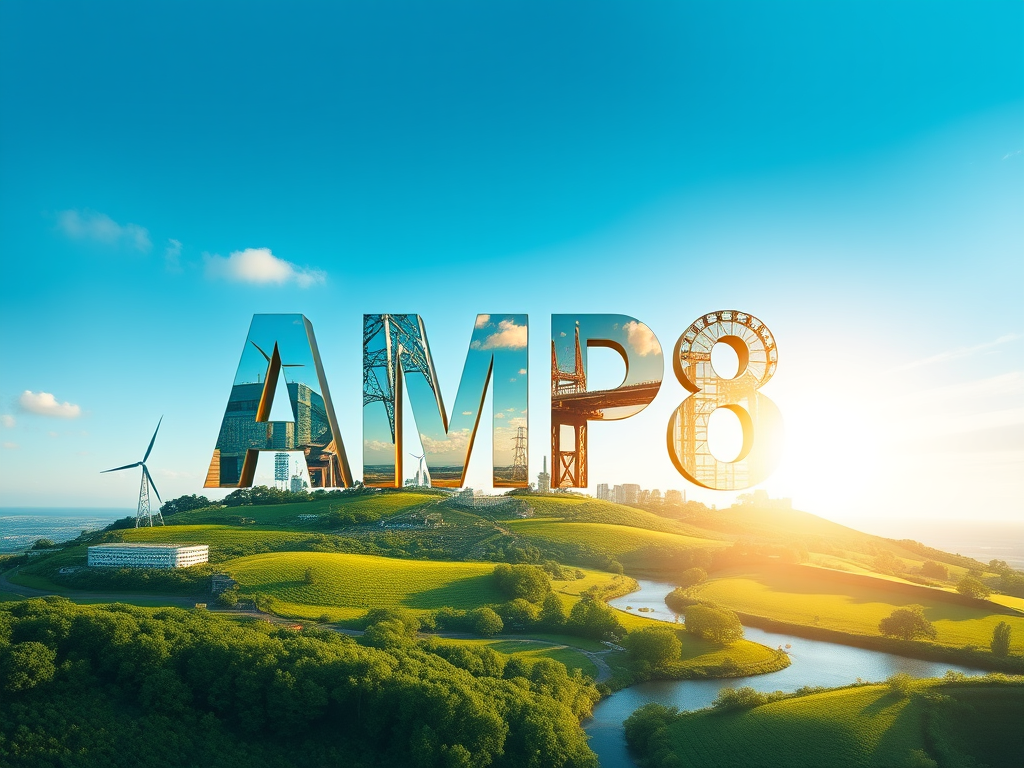
AMP8 or Asset Management Period 8 is the upcoming regulatory cycle for water companies across England and Wales, running from April 2025 to March 2030.
Under the eagle eye of Ofwat, the industry’s economic regulator; AMP8 aims to prioritise sustainability, embrace cutting-edge technological innovation, and drive efficiency to new heights. This means smarter networks, greener practices, and better value for customers. It’s an exciting time for the sector, with big goals that could make a real difference to the environment and how we all use water.
The Current Environment
With growing public awareness and engagement on the impacts of urbanisation on waterways and water bodies, the detrimental effects of effluent and discharges from drainage systems have come into sharp focus.
Water and Sewerage Companies (WASCs) and Ofwat have faced increasing scrutiny on how the public water sector operates. There’s been much debate over how they fulfil their responsibilities to communities, the built environment, and the natural environment, all while remaining profitable—a crucial aspect for an industry privatised in the eighties.
WASCs have been under fire from all directions. Many argue that it’s long overdue, while others point out that they are ‘low hanging fruit’ and that there is larger issue of surface water pollution that remains largely unaddressed.
Significant sums have been allocated to protect the natural environment. Combined Sewer Overflows (CSOs) are back on the investment agenda.
Fact Check: AMP3 aimed to improve almost 4,000 unsatisfactory CSOs across England and Wales, helping to meet environmental objectives and protect rivers.
What Will the Money Go Towards?
Here are some key investment areas across England and Wales for AMP8:
- £12 billion towards reducing storm overflows by 45%. Additionally, a substantial amount will be committed to protecting the environment by reducing spills and integrating nature-based solutions.
- £11 billion to reduce leakage by more than a quarter by 2030. This significant investment aims to save vast quantities of water, enhancing supply resilience and minimising waste.
- £6 billion allocated for upgrades to combat nutrient pollution. These funds will help improve water quality by reducing harmful nutrients entering water bodies, thereby protecting ecosystems and public health.
- £3.3 billion invested in nature-based solutions and increasing biodiversity. By supporting projects that enhance natural habitats, the companies aim to promote biodiversity and harness natural processes to improve water management.
- £5 billion to boost water supplies. This includes developing new water resources, reservoirs, and infrastructure to meet the demands of a growing population and the challenges posed by climate change.
- Ofwat’s Innovation Fund is set to double to £400 million. This fund encourages innovative solutions within the water industry, fostering advancements in technology and practices that can drive efficiency and sustainability.
In its determination, Ofwat commits to ‘holding water companies to account’ by reclaiming funds and refunding customers for undelivered schemes through reduced bills as well as imposing penalties on water companies.
Projected Biggest Water Company Investments for AMP8
- Thames Water: Anticipating an investment of around £16 billion, Thames Water is focusing on overhauling London’s ageing infrastructure. Key projects include reducing leakage by replacing old pipes and improving water quality to serve the capital’s expanding population. Their efforts aim to ensure a reliable water supply for millions, addressing challenges posed by urban growth.
- United Utilities: Planning an investment of approximately £13 billion, United Utilities aims to modernise water and wastewater services across the North West. They’re committed to digital innovation, enhancing efficiency, and bolstering environmental sustainability. By embracing new technologies, they hope to improve service delivery and reduce environmental impact.
- Severn Trent Water: Proposing to spend about £12 billion, Severn Trent is dedicated to improving environmental outcomes in the Midlands. This includes reducing pollution incidents, upgrading sewage treatment works, and investing in sustainable water resources. Their initiatives are crucial for protecting local ecosystems and ensuring clean water for communities.
- Anglian Water: With an allocation of around £10 billion, Anglian Water is addressing the twin challenges of climate change and population growth in the East of England. Their plans involve enhancing water resilience, protecting against droughts, and safeguarding the environment. They’re focused on long-term sustainability to meet future demands.
- Yorkshire Water: Planning to invest approximately £7 billion, Yorkshire Water aims to improve water quality and river health across the region. Initiatives include reducing leakage, enhancing wastewater treatment, and supporting biodiversity projects. Their commitment supports both community needs and environmental guardianship.
Mind the Gap
The ambitious plans of AMP8 for the water industry in England and Wales could be at risk due to a significant skills gap.

The industry is also facing a growing skills shortage.
- Over 35% of advertised skilled roles remain unfilled as of 2023.
- An additional 63,000 vacancies need to be filled by 2027.
Tackling the water industry’s skill shortage – Water Industry Journal
Merit Skills – The Water Industry Skills Gap | News
A skills shortage could derail AMP8 if not proactively addressed. The ambitious goals set out in AMP8 rely heavily on a skilled and diverse workforce to implement complex projects, adopt new technologies, and meet stringent environmental and regulatory standards.
To tackle this challenge:
- Invest in Training and Upskilling: Implement comprehensive programmes to equip both current staff and new recruits with necessary skills.
- Collaborate with Educational Institutions: Partner with schools, colleges, and universities to promote careers in the water industry and ensure courses meet industry needs.
- Enhance Industry Image: Rebrand the sector to highlight its critical role in sustainability and innovation, making it more attractive to potential recruits.
- Embrace Diversity: Broaden recruitment efforts to include underrepresented groups, tapping into a wider talent pool.
- Leverage Technology: Use automation and artificial intelligence to ease the burden caused by the skills shortage, without replacing the need for skilled professionals.
Addressing the skills gap is essential—not just for the success of AMP8, but for the future of water services and environmental guardianship in England and Wales.
There’s so much more to explore on the impending AMP8.
So, stay tuned.
Thank you for reading.
 meshikiyang.com
Leave a comment