Black History Month Edition
There’s this old poem I’ve always loved.
“An old grey owl sat on a tree.
The more he saw, the less he spoke.
The less he spoke, the more he heard.
The more he heard, the wiser he became.”
It’s quiet and simple.
We all have those go-to quotes that we cling to when life gets chaotic.
You know the ones. We screenshot the powerful phrases. We jot them down in journals. We pin them up as daily reminders on our walls.
This October marks Black History Month in the UK. I’m exploring the lives behind some powerful life quotes from Black icons.
They didn’t just navigate adversity, they transcended it. People who stood resolutely in their strength and pride. They challenged the status quo. They redefined the rules. They pushed ahead even when the world urged them to give up.
Their life stories remind us all that resilience isn’t merely about weathering the storm. It’s about owning your truth. It’s about raising your voice. It’s about daring to reach for the skies.
Reclaiming Your Voice – Maya Angelou
“There is no greater agony than bearing an untold story inside you.”
Maya Angelou
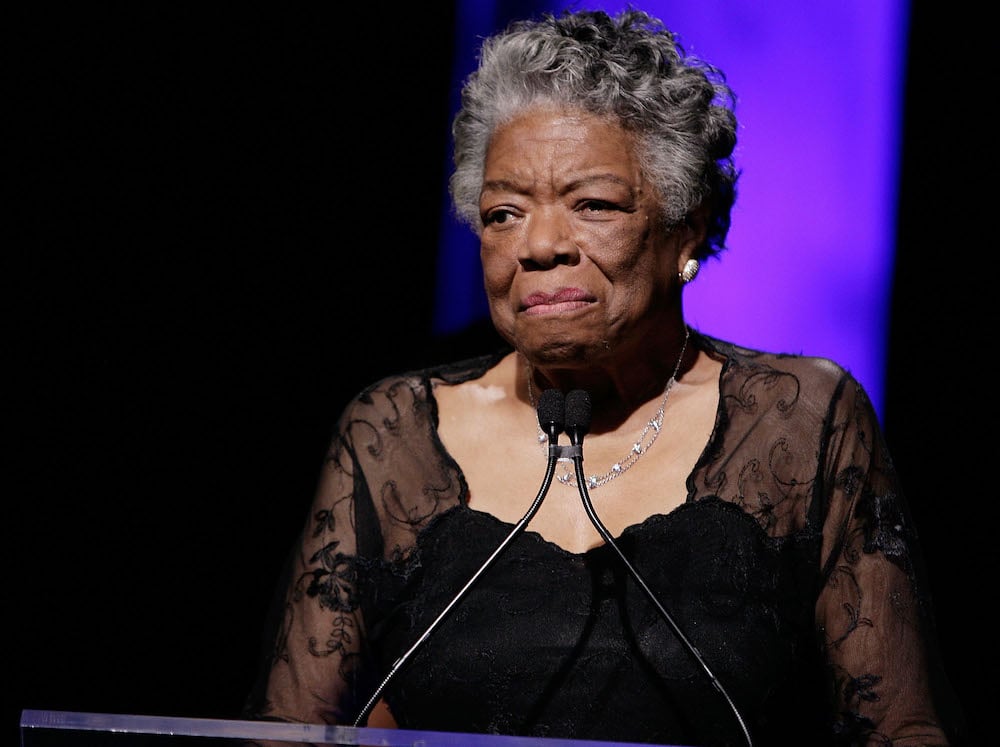
archives.nypl.org — Maya Angelou papers
Enduring Silence
Maya Angelou’s early life was shaped by deep trauma. At seven, she was raped by her mother’s boyfriend. After her uncles killed him in retaliation, Maya believed her words had caused his death and chose silence for nearly five years. That silence became her shield, her way of surviving.
Finding Words Again
But in those quiet years, Maya found refuge in books. Literature became her lifeline. A turning point came when her teacher, Mrs. Bertha Flowers, introduced her to poetry. That moment helped Maya rediscover the power of her voice.
From that reawakening, Maya’s life unfolded in bold, unexpected ways. She danced and sang across continents. She acted on stage and screen. She worked with civil rights leaders like Malcolm X and Dr. King. At 17, she became San Francisco’s first Black female streetcar conductor. Later, she taught at Wake Forest University.
Speaking Her Truth
Her breakthrough came in 1969 with I Know Why the Caged Bird Sings: a raw, honest memoir which became one of the first autobiographies by a Black woman to gain mainstream success.
Legacy and Power
Maya Angelou went on to publish seven autobiographies, countless poems, essays and children’s books. In 1993, she made history by reciting On the Pulse of Morning at President Clinton’s inauguration. Her once silenced voice now echoed across the world.
Speaking Truth To Power – Wole Soyinka
“The man dies in all who keep silent in the face of tyranny.”
Wole Soyinka
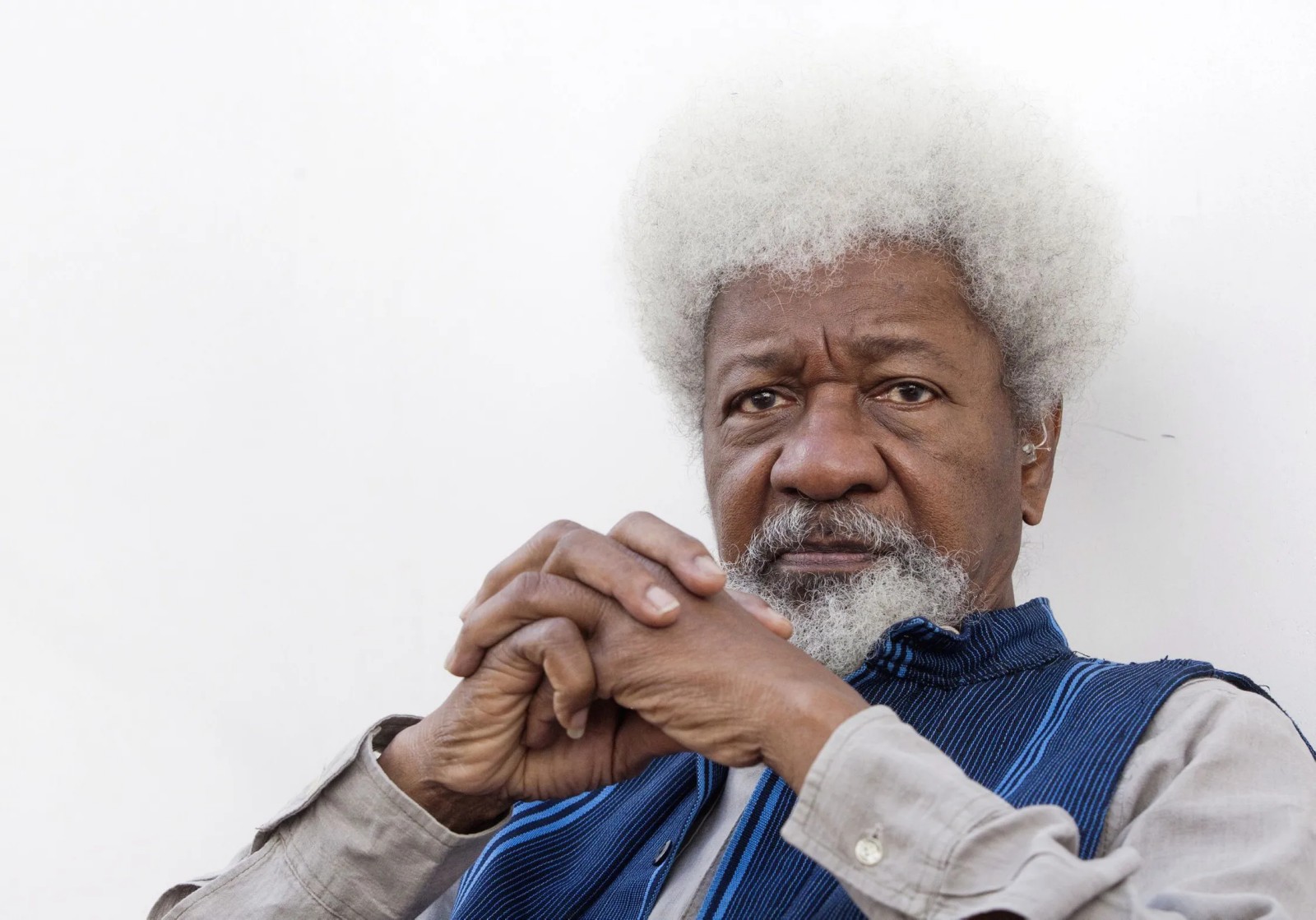
Wole Soyinka challenged injustice with both his pen and his presence, refusing to stay silent, no matter the cost.
Wole Soyinka | Biography, Plays, Books, Nobel Prize, Famous Works, & Facts | Britannica
Born in 1934, Soyinka became one of Nigeria’s boldest literary voices. More than a writer, he was a rebel, a truth-teller, and a symbol of resistance. He exposed corruption, confronted dictatorships, and demanded accountability. His activism led to arrests, exile, and nearly two years in solitary confinement for opposing civil war and advocating peace. Even in prison, Soyinka wrote, crafting poems on scraps of toilet paper, smuggling essays out. He saw literature as a weapon, a way to shake power’s foundations. His plays and books tackled colonialism, dictatorship, identity and freedom, using satire and symbolism to provoke thought and challenge norms.
Legacy of Courage
In 1986, Soyinka was the first African to win the Nobel Prize in Literature. In 2024, Nigeria renamed its National Arts Theatre after him to celebrate his 90th birthday and his lasting impact.
Radical Authenticity – Millie Odhiambo
“Good girls never get the corner office. Be as bad as Millie Odhiambo,”
Millie Grace Akoth Odhiambo Mabona is a fearless force in Kenyan politics and human rights. Known for her unapologetic presence in Parliament, she’s never tried to be palatable. She stands for justice, gender equality and being true to herself; no matter the pressure to conform. Her now-iconic line, “Good girls never get the corner office. Be as bad as Millie Odhiambo,” wasn’t just a comeback, it was a manifesto. It came after Speaker Moses Wetangula urged her to be a “role model” for young women. Translation: tone it down.
Millie didn’t. She flipped the script and turned criticism into empowerment.
Her message isn’t about being rude but radical authenticity. She champions the courage to speak up, challenge norms and reject performative politeness. Millie has mastered the art of turning vilification into visibility, using backlash as a platform, not a setback.
She’s called out hypocrisy, stood firm under pressure, and faced harsh criticism. Yet through it all, she’s made her voice heard proving that visibility matters and authenticity is power.
Millie’s story reminds us: being labelled “bad” by systems built to suppress can be a strength. Disruption can spark change. You can be passionate and still be respected, effective and impactful.
Emotional Intelligence – Michelle Obama
“When they go low, we go high.”
Michelle Obama’s iconic words from her 2016 speech weren’t just a soundbite, they were a masterclass in emotional intelligence.
Raised on the South Side of Chicago, Michelle learned the value of education, integrity and community. Her journey took her from Princeton to Harvard Law, through corporate law and public service and ultimately to becoming the first African American First Lady of the United States.
But her story is more than titles. It’s about how she moved through the world with poise, empathy, and quiet strength. “Going high” wasn’t about staying silent. It was about choosing dignity over destruction, purpose over pettiness and strength that uplifts rather than oppresses.
Michelle Obama faced intense scrutiny, mockery and underestimation. She didn’t let it define her. She chose grace not because it was easy, but because it was necessary.
Her approach reflects emotional intelligence: the ability to understand and manage emotions in complex situations. It’s not weakness, it’s strategy, survival and leadership.
Her legacy reminds us that emotional intelligence is a radical act, especially during Black History Month, when we honour those who lead with heart and courage.
Here’s what it looks like in practice:
- Set boundaries without guilt.
- Speak truth without cruelty.
- Hold space for others while protecting your energy.
- Choose growth over revenge.
- Refuse to let bitterness become your brand.
Michelle Obama shows us that grace under pressure is powerful. Emotional intelligence isn’t about being passive, it’s about being intentional. It’s how we rise when the world tries to pull us down.
Intellectual Resistance – Akala
“The history that we are told is not the history that was lived.” – Akala, Natives
These words from Akala cut through the noise of Britain’s selective memory. A former rapper turned author, historian and activist, Akala has built a career on challenging the narratives that uphold inequality. His work is a call to confront uncomfortable truths, not with rage, but with reason, clarity and courage.

Born Kingslee James McLean Daley in London, Akala grew up navigating the complexities of race, class and identity in Britain. His early success in music gave him a platform, but it was his intellectual firepower that set him apart. Akala didn’t just rhyme: he researched, debated and dismantled myths. His bestselling book Natives: Race and Class in the Ruins of Empire is both memoir and manifesto, exposing the deep roots of systemic racism in British society. Akala’s resistance is not loud for the sake of volume; it’s precise, informed and relentless. He challenges institutions, media and education systems that distort history and silence dissent. His speeches, whether on television or university panels are masterclasses in truth-telling.
Writing Against Erasure
Akala’s work includes books, talks, documentaries, and debates. He tells stories to highlight ignored histories and support marginalized voices. His resistance is rooted in facts, not pride. He aims to inform rather than dominate. Akala is changing how Britain sees itself in terms of empire and resistance. His legacy is about bold education, where knowledge is a tool for freedom.
Standing Firm in Power and Pride
If you’re still reading, then this is for you.
- Maya Angelou reminds us that silence can be suffocating, but truth is liberating. Her life teaches us that healing begins when we speak, write, and share our stories.
- Wole Soyinka didn’t wait for permission. He spoke because injustice demanded it. His legacy urges us to let our voices endure, even when it’s inconvenient.
- Millie Odhiambo shows us that boldness isn’t a flaw, it’s a force. She teaches us to speak up, even when others want us to shrink.
- Michelle Obama proves that grace under pressure is powerful. Emotional intelligence isn’t passivity, it’s choosing dignity, clarity and intention in the face of hostility.
- Akala reminds us that resistance doesn’t require a podium, just the courage to speak when silence would be easier. In a world that rewards performance over principle, truth is a radical act.
Your voice matters.
Because every time we choose truth over silence, we shape the future for those yet to come.
And finally,
Join this year’s Black History Month campaign!
Discover remarkable Black British icons, from those who served valiantly to those who courageously led protests and forged vital networks. Engage with the month-long program of activities designed to inspire and educate!

Thank you for reading.

 meshikiyang.com
Leave a comment