

I was scrolling the other day, through whatever the social media algorithm had kindly blessed me with when this headline popped up:
“A very relatable article.”
And without thinking, my inside voice shot back: Relatable to whom!
Followed by the whip smart internal rebuttal – Judge much!
That internal dialogue sent me down a rabbit hole. I started thinking about how we relate to others and that word….relatable!
How quickly we decide what belongs to us and what does not. How fast we filter, categorise and distance ourselves from anything that feels uncomfortable or unfamiliar. And how often we do this without even noticing.
All that from one headline? Absolutely, let’s talk about it.

The Quiet Filter We Forget We Are Wearing
We all carry invisible filters, they help us navigate the world but they can also narrow it Sometimes they even convince us that certain stories, struggles or perspectives are not for us. So when we say relatable, that often means that it fits our worldview, our background, our lived experience. This is not just a personal habit, it shows up in our systems too, but society should not just be built on narrowed experience. It should be influenced by its variety.
The Wider Picture We Don’t Always See
The UK’s Office for National Statistics reported that 3.8 million people experienced chronic loneliness in 2023 and that number continues to rise. Half a million more people are lonely all or most of the time | Campaign to End Loneliness
The Mental Health Foundation 2020 report recognised loneliness and social connection as major determinants of mental health in the UK. That is not a small thing, it is one of the six key drivers of mental health inequality. Loneliness in young people | Mental Health Foundation
The point here is, bias is not always loud or malicious. We are living in a time where disconnection is rising.
When we skim headlines, scroll past stories or reject another’s lived experience, we unintentionally reinforce the very disconnection we are trying to avoid.
Loneliness, mistrust and “us versus them” thinking are becoming more common.
What the Evidence Shows
- Loneliness is significantly higher among 18 to 24 year olds: https://www.mentalhealth.org.uk/our-work/public-engagement/unlock-loneliness/loneliness-young-people-research-briefing
- By 2023, one in five young people aged 8 to 25 had a probable mental health condition: Mental Health of Children and Young People in England, 2023 – wave 4 follow up to the 2017 survey – NHS England Digital
It is not just young people, mental health problems are rising across the whole population. One in five adults in England now live with a common mental health condition. This number has risen sharply since 2014. Mental well being has been gradually declining since 2016.
We are more connected digitally than ever yet somehow more emotionally and socially disconnected.
Grounded and Respectful
Mental health, wellbeing and loneliness are layered experiences shaped by social, economic, cultural, and deeply personal forces. They deserve care, nuance, and our collective attention.
This piece isn’t an attempt to simplify or minimise that reality. Instead, it offers one gentle doorway back toward connection; a single thread in a much wider tapestry of understanding, healing and human closeness.
Why Disconnection Hurts More Than We Think
Disconnection does not only show up in dramatic ways.
It shows up in:
- Switching off when someone’s experience feels unfamiliar.
- Assuming not relatable means not relevant.
- Curating our feeds until they become echo chambers.
- Feeling awkward asking questions so we do not.
- Avoiding conversations that stretch us.
But here is the hopeful bit, disconnection is not irreversible. Curiosity is the bridge and one of the simplest most human tools we have.
Curiosity disrupts the pattern.
We do not have to relate to someone to care about them.
We do not have to understand someone’s full story to be curious about it.
This Is Not About Clickbait or Gossip
Before we go further, let’s be clear on what this is NOT. Curiosity isn’t nosiness, nor is it intrusion. It isn’t about collecting information (aka gathering receipts)!
Curiosity is about connection. It is the gentle, intentional act of saying: “I don’t know your story but I’m willing to listen”.
Curiosity as An Antidote to Disconnection
Curiosity keeps open, softens our defensiveness and widens our world. It is slower, steadier and far more intentional. I have experienced this, moments where pausing to ask one more question completely shifted my understanding of someone.
- Curiosity is not clickbait.
- Curiosity is not gossip.
- Curiosity is the antidote to both.
Five Small Ways to Fight Disconnection Without Becoming a Saint
1. Notice your relatable reflex
When you catch yourself thinking this is not for me, pause long enough to ask yourself what assumptions are you making.
2. Practise gentle curiosity
Replace judgement with wonder.
“Tell me more about that“- It is amazing how much connection those four words create.
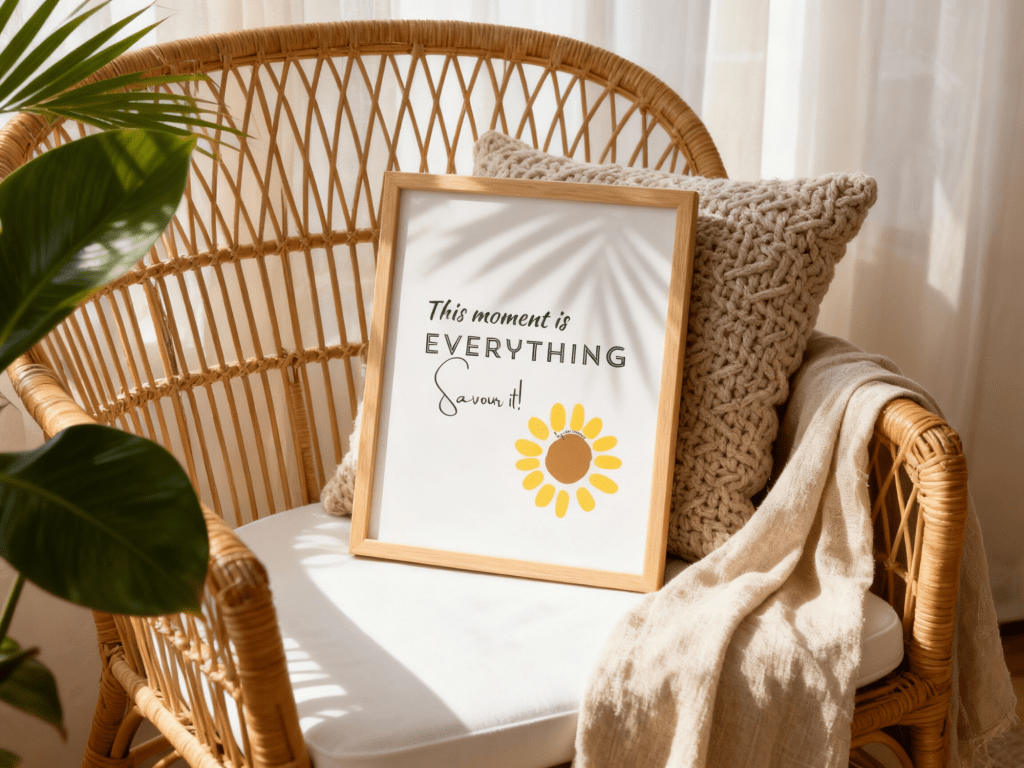
Try shifting from “Why would they do that?” to “I wonder what led them there“
3. Ask one more question than you normally would
It might sound like: “I’ve never experienced that, what was it like for you? “
3. Stay open to being changed
Expand what you understand and not just what you believe.
- Follow people outside your bubble.
- Read stories from communities you are not part of.
Let your worldview stretch a little.
4. Check in on people even when you do not know what to say
With mental health needs rising across the UK and 1.7 million people on waiting lists, your message matter more than you think.
5. Remember that empathy does not need similarity
You do not need to have lived someone’s experience to care about it. You just need to stay open.
Maybe the next time something is not relatable, we do not scroll past. Maybe we sit with it for a moment and it let it teach us something. Relating is lovely but connecting is deeper.

A Call to Action
Try one small act of curiosity. Ask a question. Read a story outside your bubble. Check in on someone. Simply notice when your instinct is to disconnect and choose differently.
Let this be an invitation to slow down and think. To pause before reacting and give yourself a moment to breathe, notice and understand.
In a world that rewards speed, choosing to slow down is its own quiet form of connection.
Where in your life could choosing curiosity, open a door you didn’t realise was closed?
Thank you for reading.
 meshikiyang.com
Leave a comment