

Like many, I have followed the release of the first tranche of the Epstein files, documents that, years after his death, offer a clearer view into the world of a man whose predatory behaviour was enabled by wealth, influence and a network of powerful acquaintances.
A brief timeline serves as a reminder of how slowly accountability has moved so far:
- 2008: Epstein is first convicted for soliciting prostitution from someone under eighteen.
- 2011: Virginia Giuffre publicly comes forward against Epstein and Maxwell.
- 2015: Giuffre launches Victims Refuse Silence, later relaunched as Speak Out, Reclaim.
- 2019: Civil suit against Maxwell; Epstein is arrested on federal sex‑trafficking charges and later dies in custody.
- 2020: Maxwell is arrested and has been in prison ever since.
- 2025: Giuffre dies.
For those who have watched this story unfold, the revelations are not surprising.
I do this for victims everywhere. I am no longer the young and vulnerable girl who could be bullied. I am now a survivor and nobody can ever take that away from me. – Virginia Giuffre
What have we learned from Epstein files and what now? Watch BBC special coverage – BBC News
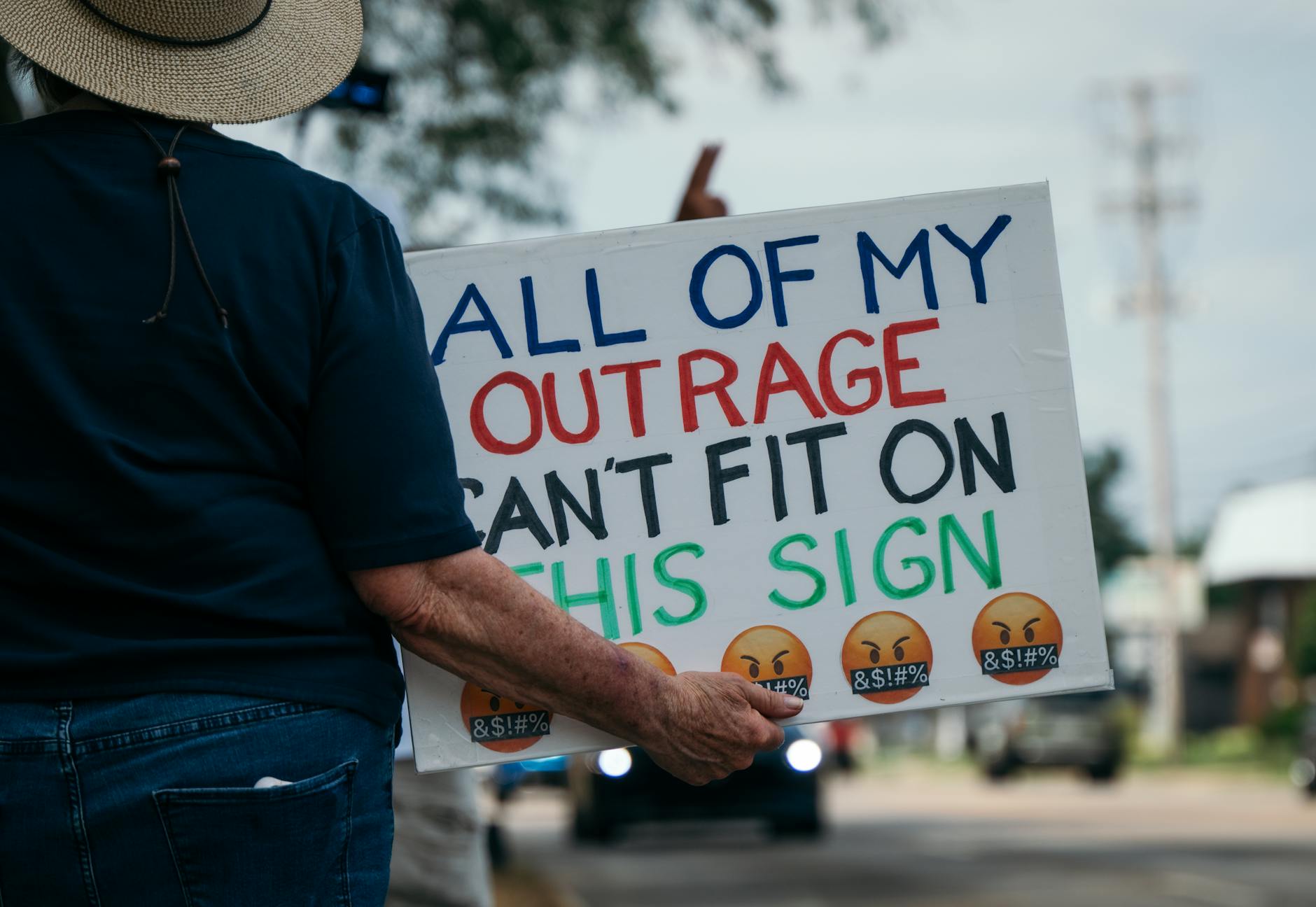
What stands out is not only the content of the files, but the surge of media‑driven outrage that feels strangely selective, years after survivors were dismissed, discredited and publicly attacked.
This pattern is not unique to Epstein. It is a symptom of something deeper.
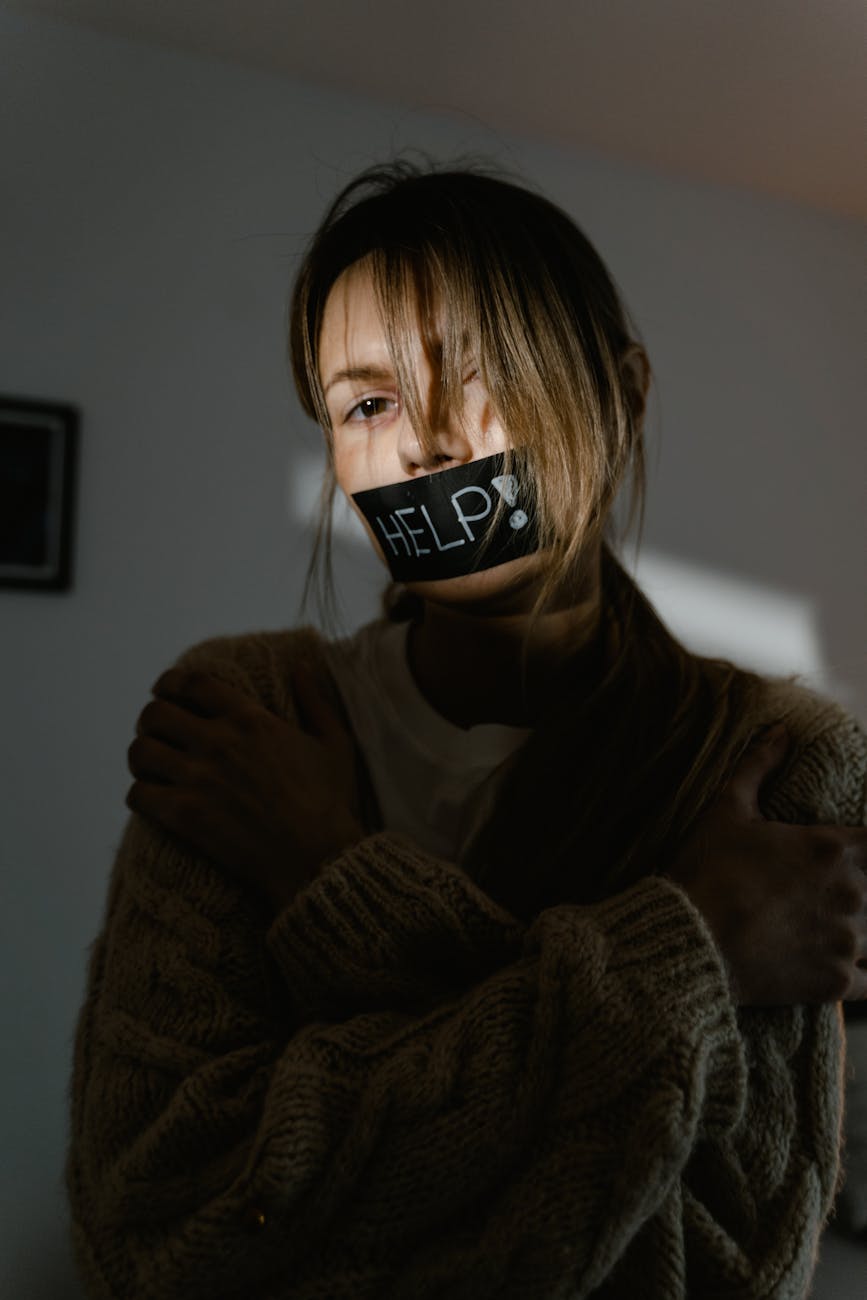
When Power Harms, Society Often Looks Away
In the same week the files were released, another story broke: the leader of one of the most influential countries in the world used his social media to share racist rhetoric, dehumanising the former president and first lady. He used imagery, well documented to have been used to degrade black people.
Recent demographic estimates indicate that the global Black population is approximately 1.55 billion people. This figure represents about 18.8% of the world’s population. – Black People Population in the World 2025 | Statistics & Facts – The World Data
The response felt almost flippant.
When racism comes from the powerful, it is too often treated as a footnote rather than a fault line.
At first glance these two stories, one about sexual exploitation, the other about racial disrespect seem unrelated. But they are connected by a common thread:
Harm committed by the powerful is often normalised, minimised or ignored until the cost of silence becomes too high to bear.
The Complicity of Silence
We often tell ourselves that injustice persists because people do not see it. More often, injustice persists because people do see it and choose not to act. We look away because it is easier. We stay silent because speaking up feels risky. We rationalise because the harm does not touch us directly.
But silence is not neutral.
Silence is a form of participation.
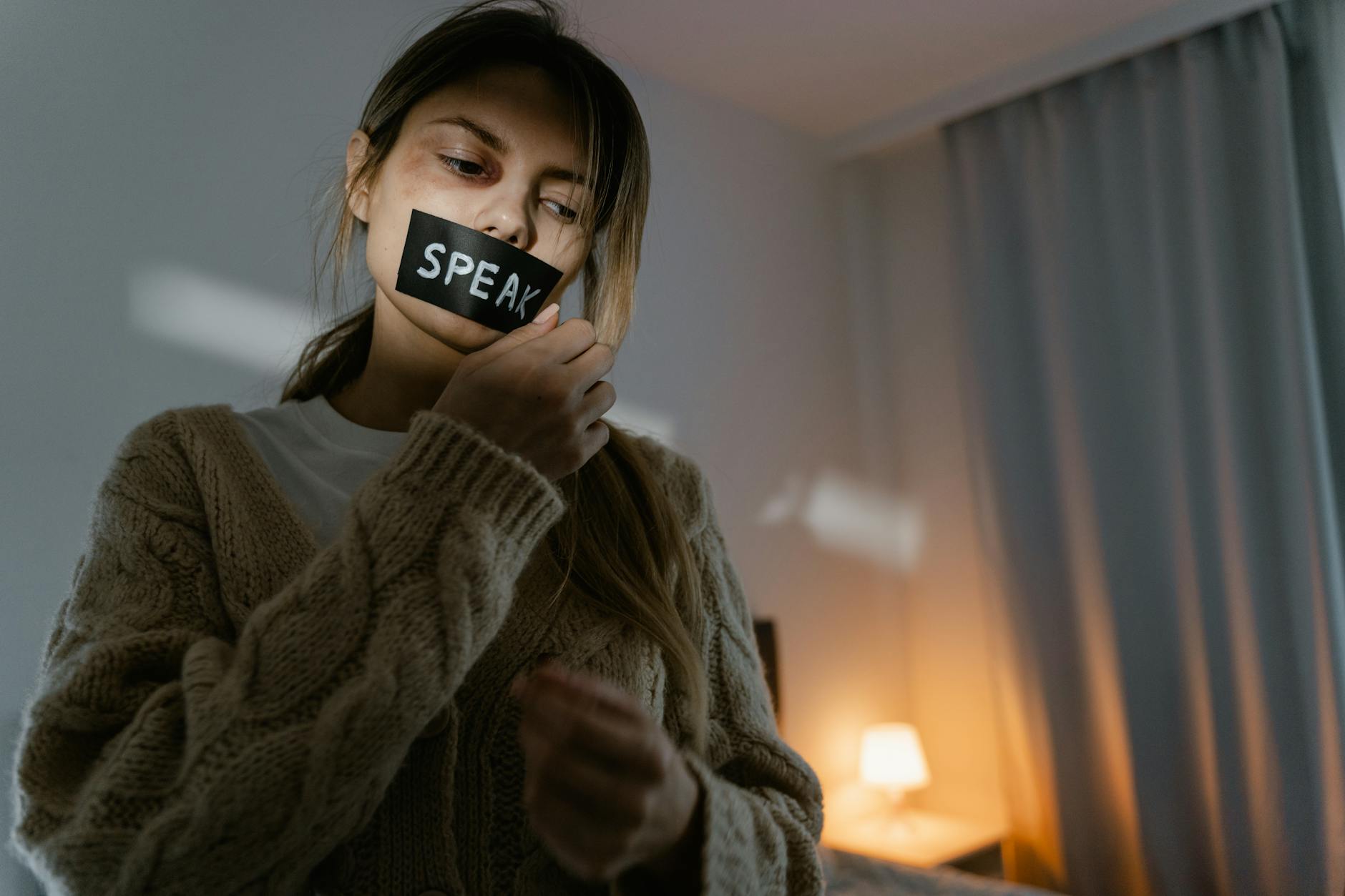
This diffusion of responsibility is one of the quiet engines of systemic harm.
When we allow systems to operate unchecked whether they protect abusers, excuse racism or shield the powerful from accountability; we become part of the machinery that sustains them.
None of us are immune to the consequences of that machinery. The question then becomes painfully simple.
If we do not speak up for others, who will speak up for us?
Selective Outrage and Its Dangers
This is the most subtle yet corrosive forms of complicity. It allows us to feel morally engaged without challenging the structures that cause harm.
- We express shock at Epstein’s behaviour but where was that shock when survivors were dismissed?
- We condemn racist language but where is the sustained pressure for accountability?
- We share posts, express disapproval and move on, but what changes?
Research on public reactions to sexual violence shows that survivors are often doubted or blamed, especially when the accused holds power.
Outrage tends to spike only when evidence becomes undeniable or socially safe to acknowledge.
Outrage without action is performance.
Outrage without consistency is hypocrisy.
Outrage without accountability is meaningless.
But outrage can be transformed into meaningful action. We have seen this repeatedly.
The Cost of Waiting
History shows us that systems built on inequality do not stay contained. They expand, adapt and eventually reach the very people who once believed they were safe from them.
The erosion of rights does not happen all at once. The normalisation of harmful behaviour does not happen overnight. It happens slowly, through small acts of looking away. By the time the consequences reach us, the structures are often too entrenched to dismantle easily.
A Call for Collective Responsibility
We cannot control the behaviour of the powerful but we can control the culture we create around them.
A culture where:
- Survivors are believed before it becomes fashionable.
- Racism is challenged even when it is politically inconvenient.
- Harm is named early, not only when the tide has turned.
- Silence is recognised as complicity, not neutrality.
Courage is not the absence of fear. It is the decision that someone else’s safety matters as much as our own comfort.
The Truth Is Simple
The events of this week are not isolated incidents. They are mirrors reflecting the values we hold, the injustices we tolerate and the responsibilities we avoid.
When we stay silent, we leave everyone, including ourselves, vulnerable.
When we speak up early, we change the culture that allows harm to thrive.
The question is no longer whether we see injustice. The question is what we choose to do with what we see.
Thanks for reading.
Further Reading: For Those Who Want to Go Deeper
If this piece stirred something in you, these readings offer a deeper look into the systems, attitudes, and silences that shape our collective responses to harm.
Anderson, I. & Doherty, K. (2008). Accounting for Rape. A powerful examination of the narratives that protect perpetrators and silence survivors.
Temkin, J. & Krahé, B. (2008). Sexual Assault and the Justice Gap: A Question of Attitude.
Grubb, A. & Turner, E. (2012). Attribution of blame in rape cases: A review.
Crown Prosecution Service (UK) – RASSO Reports Insight into how cases are handled within the criminal justice system, and where systemic failures persist.
Amnesty International UK (2021). Rape Survivors’ Experiences of the Criminal Justice System. A sobering look at how disbelief and dismissal shape survivor journeys.
World Health Organization (2021). Violence Against Women: Key Facts.
 meshikiyang.com
Leave a comment