

Sometimes we take things for granted simply because they are so well embedded in our day to day lives. They sit quietly in the background, shaping decisions, protecting us and influencing how public bodies behave without us ever really stopping to understand the substance behind them. When something becomes that familiar, it is easy for crucial legislation to be reduced to soundbites, headlines and political shorthand.
I think that is exactly what has happened with the Human Rights Act.
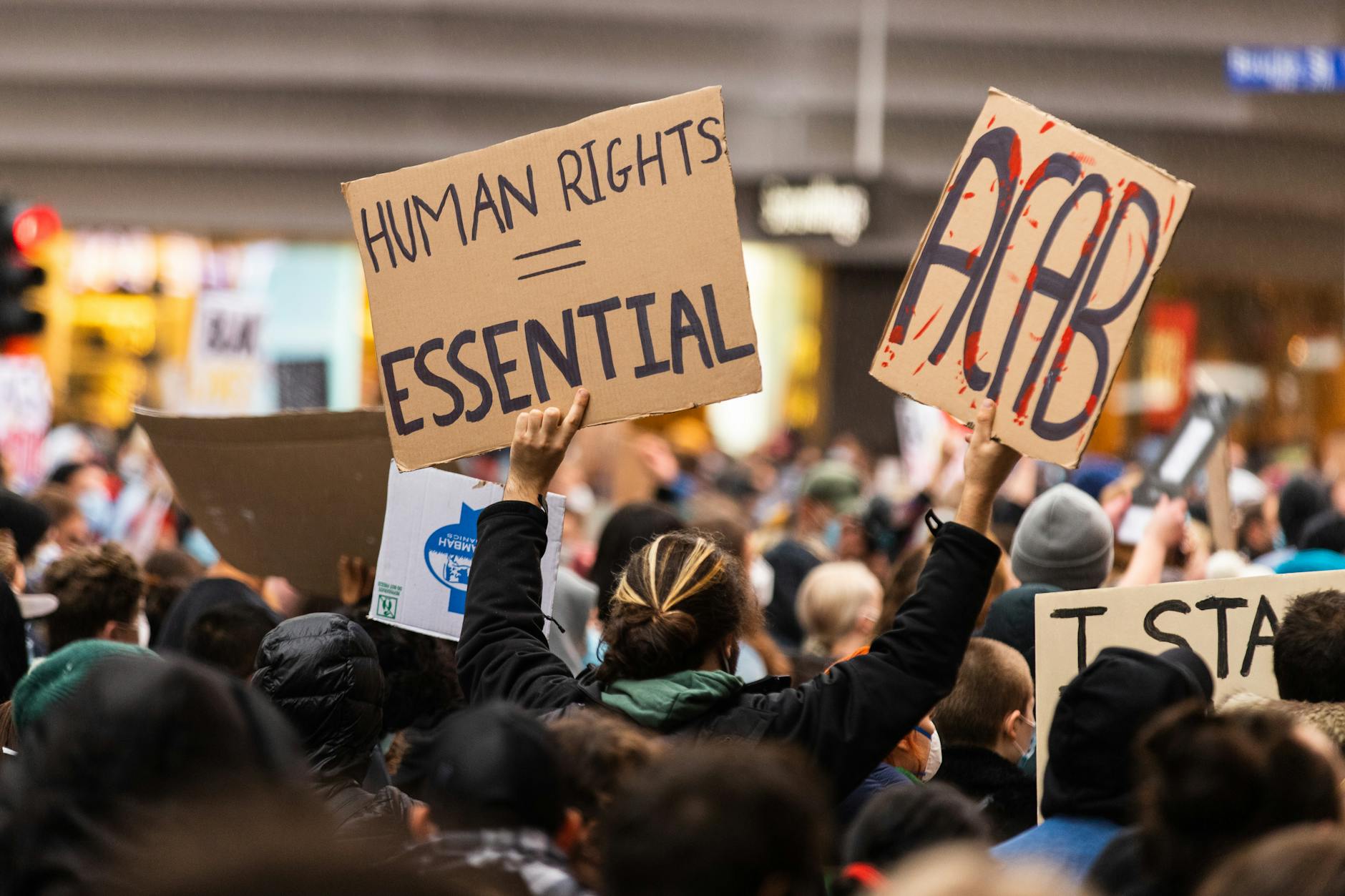
You may have noticed the Human Rights Act returning to the leadership agenda. It is not the first time. In fact, the conversation never really goes away. Every few years, proposals to repeal or replace the Act reappear.
It is a cycle that keeps restarting and stalling. Yet in all the noise, one thing remains surprisingly unclear. What we stand to lose if the Human Rights Act is removed.
The Human Rights Act, its Origin Story
The Human Rights Act was passed 1998 and implemented in October 2000, bringing the rights in the European Convention on Human Rights (ECHR) directly into UK law.
ECHR and the European Union:
- ECHR was created in 1950 by the Council of Europe, an organisation founded after the Second World War to promote democracy, human rights and the rule of law.
- EU began later, evolving from the European Economic Community (EEC) created in 1957, focused on trade, economic cooperation and later political integration.
These are two different bodies with different memberships, purposes and legal systems.
Before the Human Rights Act, people had rights on paper but no practical way to enforce them in the UK. If something went wrong, they had to take their case to Strasbourg, a process that could take years.
The Act changed that by:
- making rights enforceable in UK courts,
- requiring public bodies to respect those rights,
- allowing judges to interpret laws in a rights compatible way,
- creating a mechanism for courts to flag when laws breach rights.
It did not create new rights. It made existing rights usable, practical, and local.
Why Politicians Keep Proposing to Repeal It
Across different governments, several reasons are consistently given for repealing or replacing the Act:
- concerns about judicial power,
- high profile immigration or criminal cases,
- a desire for a more British rights framework,
- claims of administrative burden.
These arguments explain why repeal keeps resurfacing but they do not explain what the general public stands to lose.
What the Human Rights Act Protects Through People’s Stories
The Human Rights Act is not abstract. It has shaped real lives in ways that rarely make the headlines. Here are three examples that show what the Act makes possible.
1. The right to life — Hillsborough families
The Hillsborough families fought for decades to uncover the truth about how 96 people lost their lives. In 1998, the Prime Minister ordered a scrutiny review of the evidence, but this did not reopen the inquests, nor did it deliver the full investigation families had been seeking. The original 1991 verdicts remained in place.
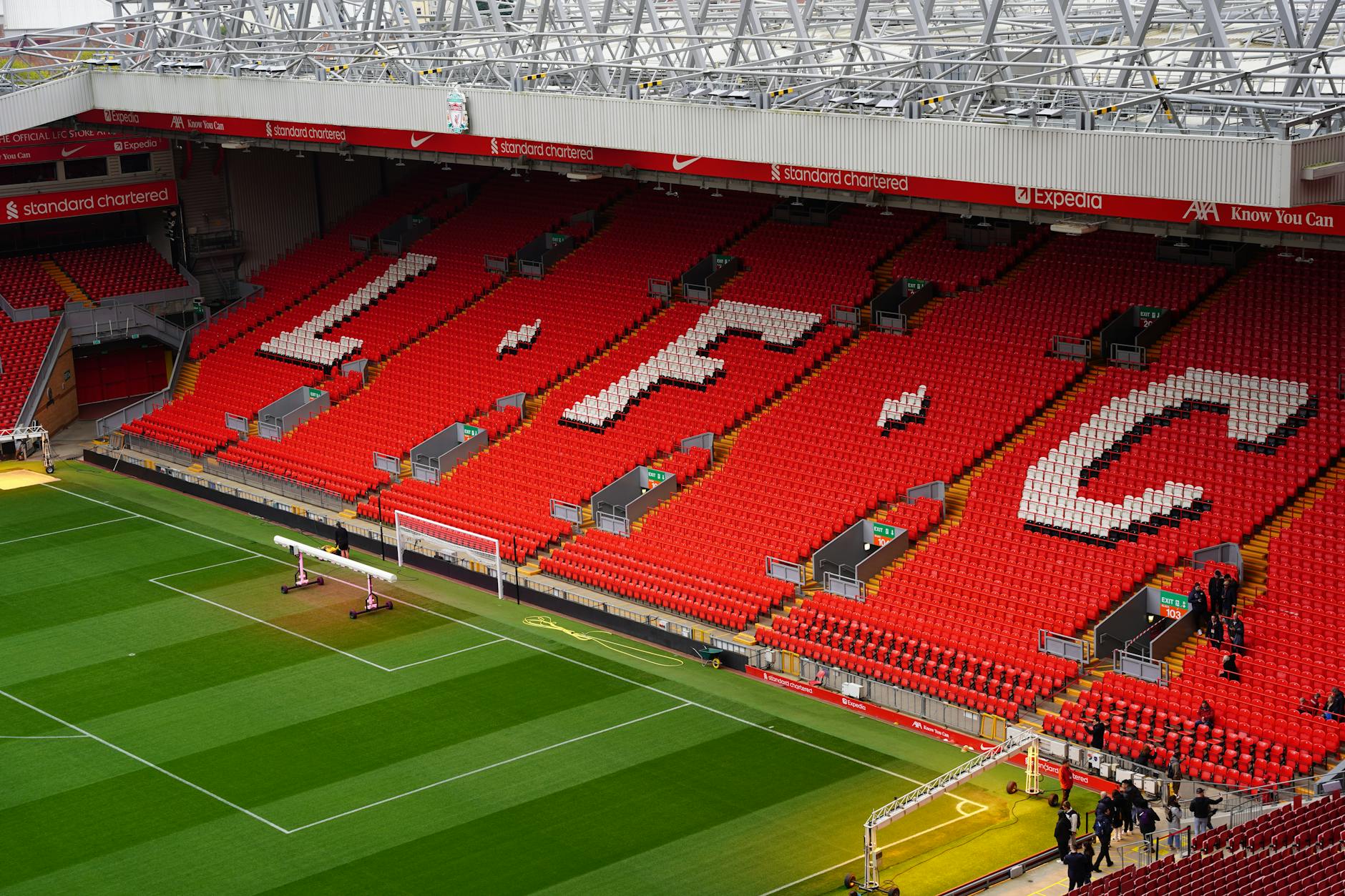
Everything changed after the Human Rights Act came into force in 2000.
Under Article 2, the right to life, the state has a duty to ensure a full, independent and effective investigation when people die in circumstances involving public authorities. When new evidence emerged through the Hillsborough Independent Panel, the High Court ruled in 2012 that the original inquests had been inadequate and must be quashed.
The Court required the new inquests to meet Article 2 standards. This meant examining not only what happened on the day, but also the wider systemic failures by police, emergency services and public bodies.
This expanded scope is what finally allowed the 2014 to 2016 inquests to deliver a comprehensive investigation and the unlawful killing conclusion.
Article 2 was essential in securing the new, full, independent inquest that finally delivered justice.
2. Protection from degrading treatment — the Bournewood case
HL v United Kingdom, often called the Bournewood case, exposed a major gap in how vulnerable adults were protected.
In 1997, a man with severe learning disabilities, known publicly as HL, was kept in a hospital for months without proper safeguards, prevented from seeing his carers, and unable to challenge his detention.
Between 1998 and 1999, his carers challenged his detention in the UK courts. The House of Lords ruled against him, saying he was not detained in law even though he could not leave.
His carers took the case to Strasbourg. In 2004, the European Court of Human Rights ruled that the UK had violated:
- Article 5, the right to liberty
- Article 5, the right to challenge detention
Although the Court did not ultimately find a breach of Article 3, the right not to be subjected to degrading treatment, the case exposed serious concerns about restraint, seclusion, and neglect. These concerns helped drive later safeguarding reforms, including the Deprivation of Liberty Safeguards.
This case changed how the UK protects people who cannot speak for themselves.
3. Protection for domestic abuse survivors — DSD and NBV v Commissioner of Police (2018)
In one of the most significant cases involving violence against women, two survivors of the Black Cab Rapist used the Human Rights Act to challenge the police’s repeated failures to investigate their reports.
The UK Supreme Court ruled that the police had breached Article 3, the right to be protected from inhuman and degrading treatment, by failing to conduct an effective investigation.
This judgment strengthened protections for domestic and sexual abuse survivors across the UK and established that authorities can be held accountable when they fail to protect people from serious harm.
It is a powerful example of how the Act gives survivors a route to justice when systems fail them.
What Happens If the Human Rights Act Is Removed With No Replacement
Repealing the Act does not remove the UK from the European Convention on Human Rights. But it removes the domestic machinery that makes those rights enforceable.
Without the Act:
- public bodies lose a clear legal duty to respect rights
- people can no longer bring human rights claims in UK courts
- judges lose the power to interpret laws in a rights compatible way
- safeguards in policing, healthcare, social care, and prisons weaken
- accountability becomes political rather than legal
Rights still exist, but the tools to enforce them shrink.
Where the Bill of Rights Came In
The proposed UK Bill of Rights would have repealed the Human Rights Act while keeping the UK in the Convention. But it would have:
- made it harder to bring claims
- reduced the weight given to Strasbourg case law
- limited safeguarding duties
- restricted the ability to challenge public body decisions
So even though the UK would remain bound by the Convention internationally, the domestic enforcement system would weaken.
The Bill of Rights Bill was paused in September 2022 shortly after Liz Truss became Prime Minister and although briefly revisited under later ministers, it was formally abandoned in June 2023.
The Bill of Rights Bill was abandoned because it created legal uncertainty, weakened protections, faced widespread opposition and risked harming the UK’s own interests.
So Where Does That Leave Us
The Human Rights Act keeps returning to the leadership agenda because it sits at the intersection of sovereignty, identity, immigration, crime, and constitutional design. But beneath the headlines is a simple question.
What kind of relationship should exist between the individual and the state?
Repealing the Act does not answer that question. It simply removes one of the tools we currently use to navigate it.
And when you strip away the legal language and the political noise, another question emerges.
If you remove judicial oversight from the people trained, skilled and independent enough to apply the law fairly, who is left to ensure that the rights of ordinary people are not ignored.
Without that oversight:
- ministers oversee themselves
- public bodies mark their own homework
- rights become promises rather than enforceable standards
- accountability becomes political rather than legal
Political accountability is not the same as legal accountability. Elections happen every few years. Rights can be breached in a single decision, a single night, a single moment.
Courts exist to bridge that gap, they are the safeguard that ensures rights are not optional, not dependent on who is in power and not subject to the mood of the moment. They are the independent check that stands between the individual and the state.
This discussion matters because of the people whose lives are shaped by the decisions public bodies make every day.

If the Act is going to be changed, replaced or removed, we should at least be clear about what it does and what we stand to lose if it goes.
Thank you for reading.
 meshikiyang.com
Leave a comment