
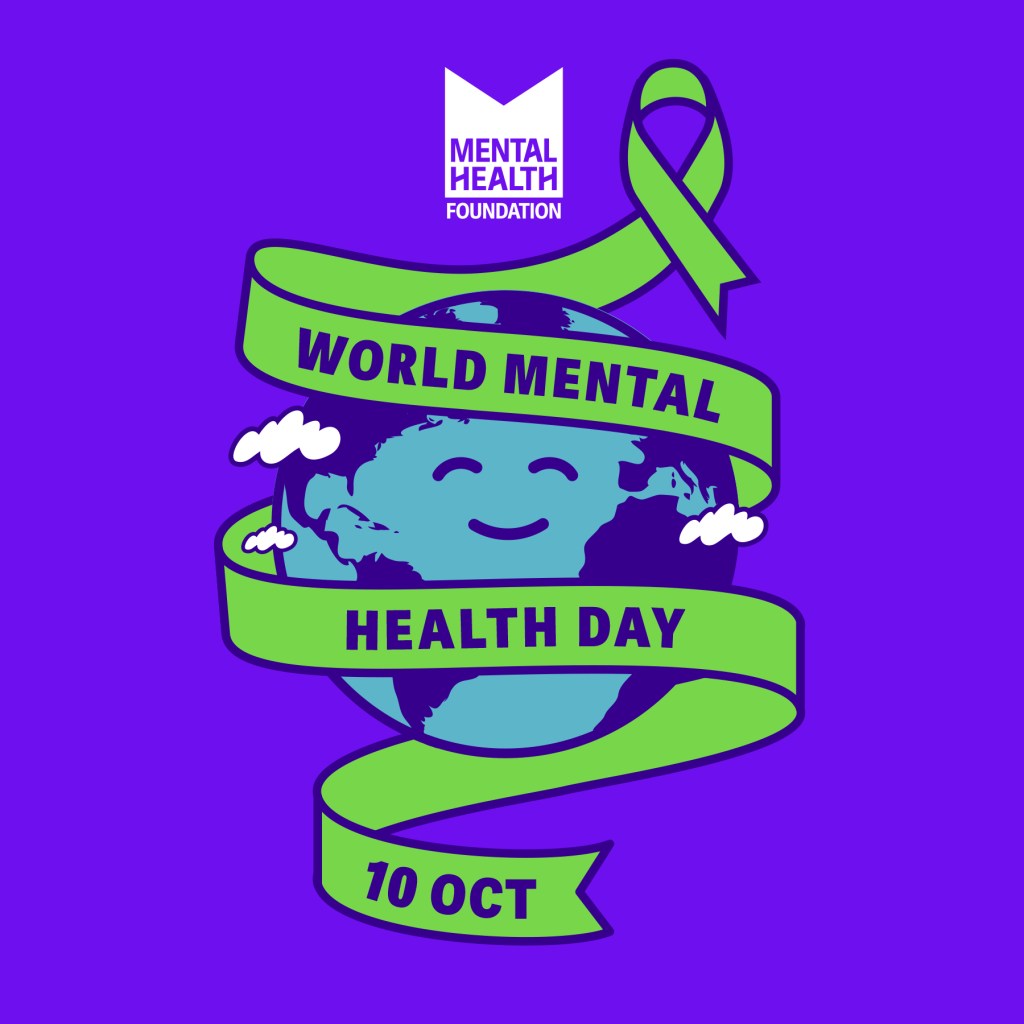
Every year on 10 October, World Mental Health Day invites us to pause and reflect on the state of our collective wellbeing.
This year’s theme, Lived experiences heard: real voices, real change, is a powerful reminder that progress starts with listening.
But there is something important we often overlook.
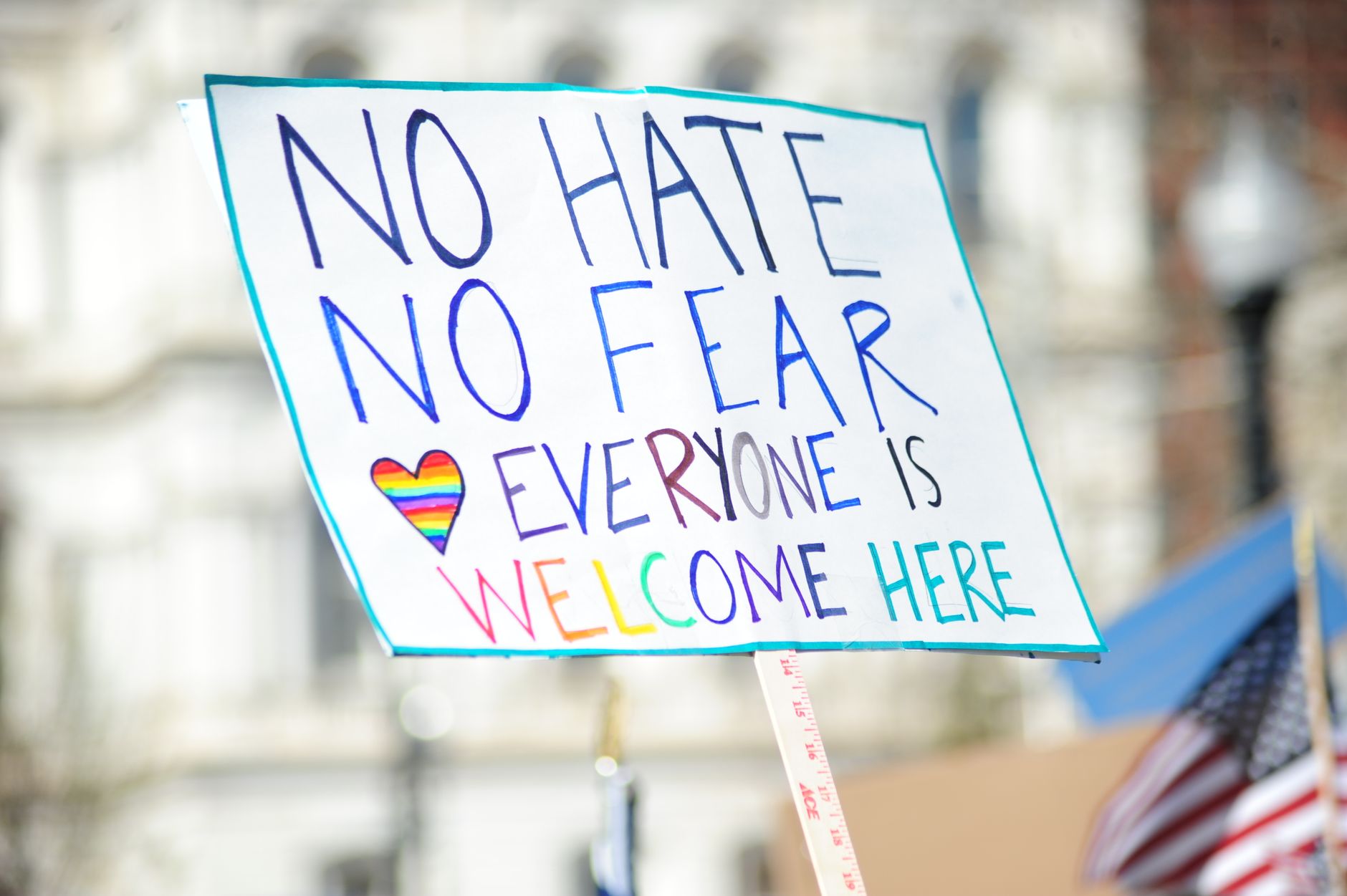
We cannot hear experiences that people do not feel safe enough to share.
Before stories can be told, before support can be offered and before change can happen, people need spaces where they feel safe enough to speak honestly. Creating those spaces is far more difficult, and far more important, than it sounds.
The silence before the story
We are all shaped by the society around us. The norms, expectations and unspoken rules that shape and influence how we see ourselves and we see the world around us.
For someone living with poor mental health, sharing their experience can feel incredibly exposing. The fear of judgement, rejection or being misunderstood can make asking for help feel almost impossible.

Even when people do find the courage to speak, the response they receive matters.
When someone shares a truth that challenges our assumptions, it can trigger a very human reaction. We explain. We defend. We distance ourselves. We try to make sense of something that feels uncomfortable.
For the person speaking, that reaction can feel like rejection.

It can feel as though their experience is being measured against someone else’s comfort rather than being accepted on its own terms.
That is why listening is about more than hearing words.
- Awareness without listening is noise.
- Listening without safety is performance.
- Listening without action is sentiment.
The evidence: a growing mental health challenge
Behind every statistic is a person, a family, a colleague or a friend. The numbers help us understand the scale of what many people are experiencing.
The evidence paints a concerning picture:
- Globally, more than one billion people live with a mental health condition, making mental health one of the most pressing public health challenges of our time.
https://www.who.int/news-room/fact-sheets/detail/mental-health-strengthening-our-response
- In England, the proportion of adults aged 16 to 64 experiencing a common mental health condition has risen from 17.6% in 2007 to 22.6% in 2023/24, an increase of almost 30%.
- Lifetime self harm has increased significantly, rising from 3.8% of adults in 2007 to 10.3% in 2023/24.
- During 2024/25, 4.1 million people were in contact with NHS funded secondary mental health, learning disability and autism services in England
- One in five adults in England is estimated to experience a common mental health condition and mixed anxiety and depression remains one of the most common presentations.
- Work related stress, depression and anxiety continue to have a profound impact. In 2024/25, an estimated 964,000 workers were affected, resulting in 22.1 million working days lost.
https://www.hse.gov.uk/statistics/dayslost.htm
- Demand continues to outstrip capacity, with research showing people are significantly more likely to experience long waits for mental health treatment than for many forms of physical healthcare
In England, people are eight times more likely to wait over 18 months for mental health treatment than for elective physical health care.
These figures reflect more than pressure on services, they reflect economic uncertainty, social isolation, inequality and the weight of navigating an increasingly complex world.
They also reflect something quieter.
People trying to cope alone because they do not feel heard.

When systems are under strain
According to research by the Charities Aid Foundation, 67% of charities report increased demand over the past year and 47% struggle to cope as public systems face severe bottlenecks.
https://www.rcpsych.ac.uk/international/world-mental-health-day
Mental health services, charities and community organisations are supporting more people than ever before. Yet demand continues to rise faster than many systems can respond.
- When support is delayed, distress often deepens.
- When services are stretched, people can fall through the gaps.
- When care feels inconsistent, trust can be hard to maintain.
And when lived experience is not meaningfully included in decisions about policy, services and support, opportunities for improvement are missed.
The people closest to the challenge are often the people closest to the solution..
Why lived experience matters
Lived experience is often described as a story. In reality, it is also expertise.
When people share their experiences of mental health, they reveal things that data alone cannot capture. They show us where services work well and where they do not.
They highlight barriers that policies fail to recognise.
They expose assumptions that organisations may not even realise they are making.
Most importantly, they help us design responses around real human needs rather than theoretical ones.
That takes courage. Despite the progress made in recent years, speaking openly about mental health can still carry risk. People still fear judgement, dismissal, misunderstanding or being labelled as difficult, fragile or too much.
Being heard matters because it is a form of recognition.
It says: your experience counts.
Beyond “be kind”
Be kind.
Check in on people.
You never know what someone is going through.
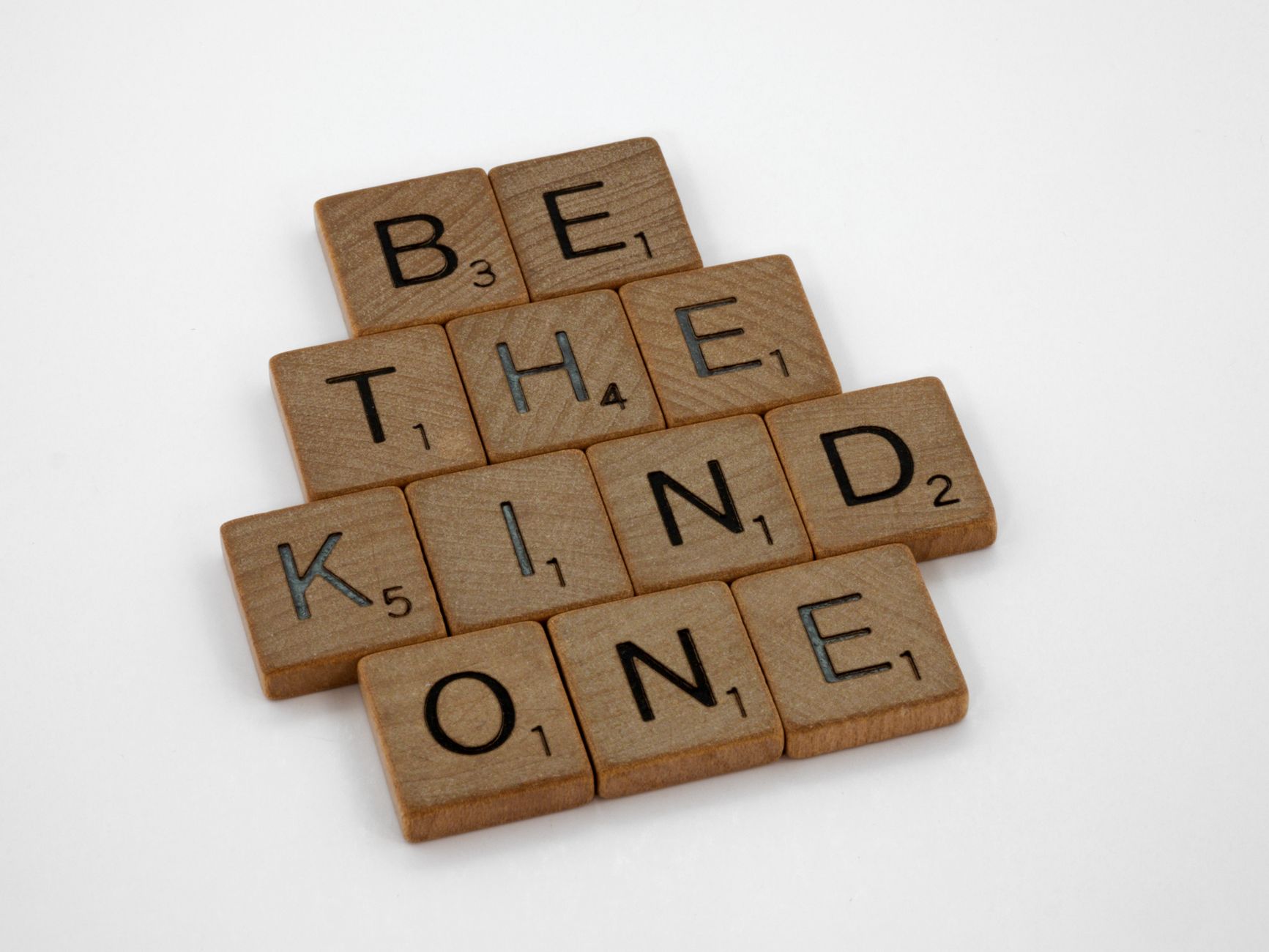
These messages matter.
They encourage compassion and remind us of our shared humanity.
But kindness in practice is often more demanding than kindness in principle.
Real kindness is not just offering support when someone’s experience feels familiar or easy to understand.
- It is remaining present when their experience challenges our assumptions.
- It is listening without immediately trying to explain, solve or minimise.
- It is choosing curiosity over judgement.
- It is recognising the person before the label.
Sometimes kindness looks remarkably ordinary:
- Making space for someone to speak without rushing them.
- Listening without trying to tidy their experience into something more comfortable.
- Staying present when conversations become difficult.
- Checking in consistently rather than only in moments of crisis.
- Offering fellowship, support and understanding in everyday ways.
Kindness is not perfection.
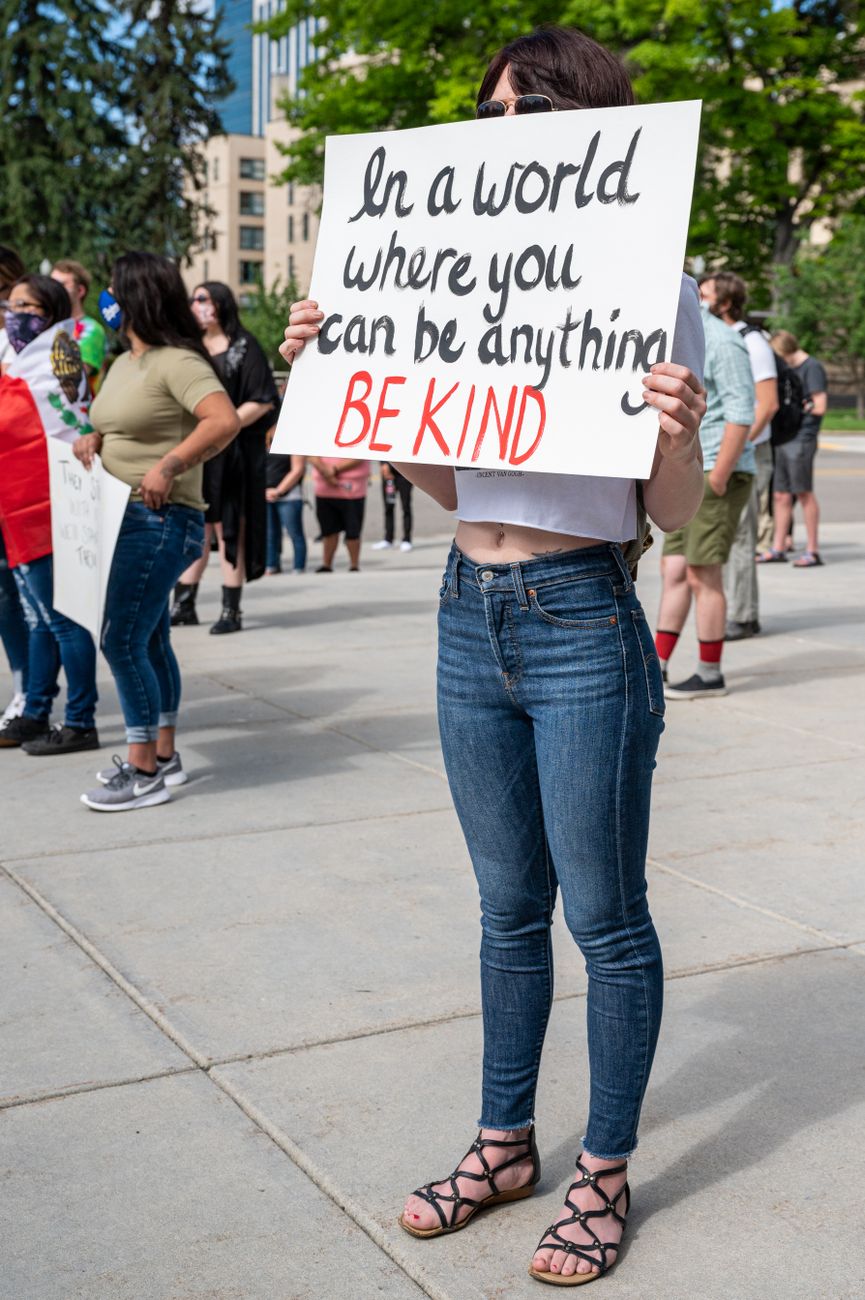
It is presence.
It is staying long enough for someone to feel heard.
What real change looks like
Real change rarely arrives through a single campaign, initiative or awareness day.
It is built through thousands of small, consistent actions and the people behind them.
- Creating environments where people can speak without fear.
- Believing people when they share their experiences.
- Designing services around real needs rather than assumptions.
- Making support accessible, timely and humane.
- Recognising that mental health is shaped by our environments, relationships, identities and life experiences as much as by individual resilience.
When lived experience informs decisions, services become more responsive, workplaces become more compassionate and communities become more inclusive.
A personal reflection
For some people, World Mental Health Day will feel hopeful.
For others, it may feel heavy.
Awareness days often bring difficult thoughts to the surface. They can remind us of challenges we have overcome, experiences we are still navigating or conversations we wish we had been able to have.
You do not need to share your story publicly.
You do not need to be inspirational.
You do not need to perform resilience.
Simply acknowledging where you are, whether privately or with someone you trust, is enough.
A closing thought
Real voices create real change when we choose to listen deeply.
Not to respond. Not to defend. Not to fix.
Just listen and hear them.
Mental health is not a side conversation, its at the heart of how we live, work, connect and belong.
And every time someone feels genuinely heard, the world becomes a little safer, a little kinder and a little more human.
Thank you for reading. Be kind to yourself and see you soon.


Leave a Reply