

There are moments in everyday life; in workplaces, families, friendships, communities, online and on TV where harm is not just committed but socially choreographed.
Recently, while watching a reunion episode of a ‘competition’ show, I saw this choreography unfold so clearly that it felt triggering. A televised demonstration of how groups manage discomfort, how accountability is redirected and how victims are quietly recast as villains.
On one sofa sat the person who had been publicly humiliated during the season, the victim. On the other sat the instigator, the person whose behaviour caused the harm.
When asked about the incident, the instigator offered a familiar script: “I was under pressure, it was a difficult time….I acted out of character”. A narrative designed to soften the edges, to make the moment palatable. What they did not offer though was an apology to the victim; the person sitting across from them, the person carrying the impact, the person who was humiliated and whose dignity had been compromised.
They just wanted to “move on.”
When the victim was asked how they felt, they responded calmly: that they had no interest in having that person in their space again.
And that is when the reversal began.
The instigator became emotional; tears, shaking voice, hurt feelings. The question shifted from “What happened?” to “Why won’t you accept their apology?” even though no apology had been given. The group around them both, castmates, host, audience rallied leaned in, providing comfort to the instigator, soothing them, reassuring them.
Meanwhile, the victim sat alone in their clarity.
It was triggering because it was familiar.
It mirrored real life. It showed how easily a victim becomes a villain simply for refusing to pretend.
The Social Choreography of Harm
A large body of research shows that people often blame victims because acknowledging harm threatens their belief that the world is fair.
- Lerner (1980) introduced just‑world theory, demonstrating that observers often reinterpret events to maintain the belief that people “get what they deserve.” – https://www.verywellmind.com/what-is-the-just-world-phenomenon-2795304
- Hafer & Bègue Experimental Research on Just-World Theory: Problems, Developments, and Future Challenges (2005) found that when people witness harm, they frequently shift blame onto victims to reduce their own discomfort, even when evidence clearly contradicts this.
This dynamic does not require anyone to be malicious but one that values comfort over accountability.
Harm happens; a betrayal, a dismissal of someone’s humanity, a moment where dignity is compromised. For a brief second, everyone sees it but then discomfort sets in and for many this is intolerable.
So the priority shifts from repairing what happened to restoring the atmosphere.
Suddenly, the focus is not on the person who was hurt, but on the person who caused the harm; their embarrassment, their tears, their desire to move on. The victim becomes the obstacle to group harmony, not through their actions, but through their refusal to participate in the collective glossing‑over.
The Demand to “Move On”

People rarely say it outright.
Instead, it comes wrapped in phrases like:
- “They’ve apologised what more do you want?”
- “We’ve all moved on.”
- “Don’t hold a grudge.”
- “You’re making this bigger than it needs to be.”
But beneath these words is a single message:
“Your pain is inconvenient, minimise it so we can feel comfortable again”.
This is not reconciliation.
This is social pressure masquerading as maturity.
Research on collective victimisation shows that groups often respond defensively when confronted with harm that implicates them or someone they identify with. Instead of addressing the issue, they protect the group’s cohesion and identity, even at the expense of the harmed person. Nature
The Non-Apology
The “it happened, let’s move forward” statement is not an apology.
It asks the harmed person to;
- deny their own experience,
- silence their hurt,
- erase the impact,
- pretend trust was not broken.
More emotional labour from the person already carrying the wound.
The person offering the non‑apology may be a ‘good person’ and genuinely want peace but this is still not a shortcut past accountability and repairing harm.

When Tears Change the Story
When tears enter the conversation, they can change the emotional landscape of the room. Attention often shifts from the harm that occurred to the distress of the person now crying. In that moment, the focus can move away from accountability and towards comfort.
The expectations can subtly change. The person who was harmed may feel pressure to reassure, forgive, minimise their own experience, or help ease the discomfort unfolding around them.
Research on narrative framing and victim-blaming suggests that when those responsible for harm display vulnerability, observers can become more sympathetic towards them, even when the harm itself is not in dispute. Emotional displays can influence perceptions of responsibility, soften judgement and, in some cases, increase the likelihood that blame is redirected towards the person who was harmed.
This does not necessarily mean the instigator is manipulative or a bad person. Their emotions may be entirely genuine; remorse, shame and regret. Yet genuine emotion does not negate impact. Harm can coexist with remorse and accountability remains necessary even when emotions run high.
The Toxic Reframing

What is striking is how quickly the narrative flips:
- The person harmed becomes “difficult.”
- Their boundaries become “punishment.”
- Their need for time becomes “holding onto drama.”
- Their refusal to pretend becomes “creating conflict.”
The victim becomes the villain because they refuse to collude in their own erasure and the instigator becomes who receives empathy because they tap into emotion.
This dynamic is not just interpersonal; it is systemic.
Inclusion work is full of these moments: someone speaks an uncomfortable truth and instead of addressing it, the group rallies around the discomfort of those who feel implicated. The person naming the harm becomes the problem.
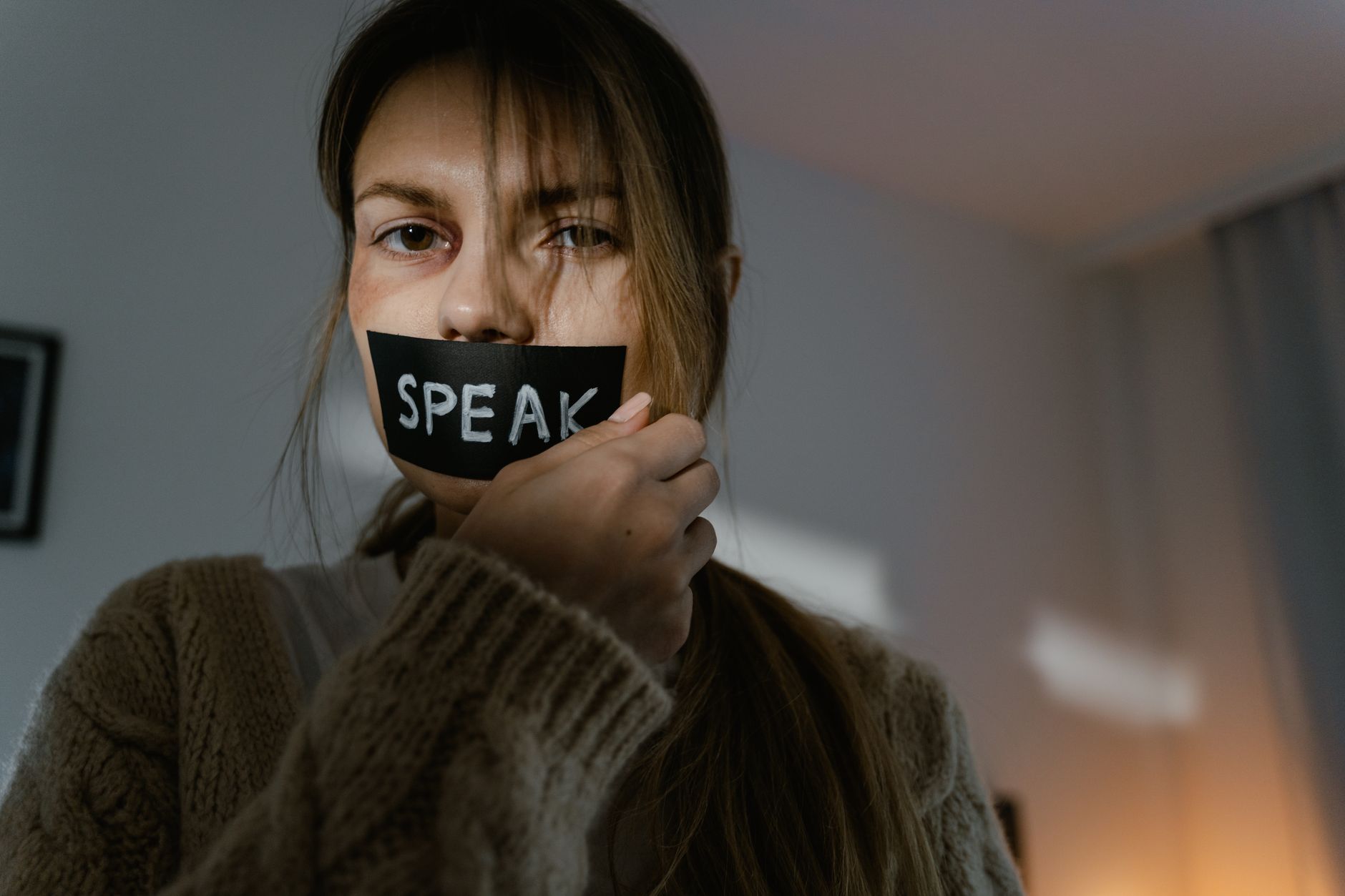
The system protects itself and the cycle continues.
We talk about psychological safety but safety cannot exist where truth is punished and harm is minimised for the sake of group comfort.
Crucially, we can acknowledge that people are not bad while still holding them accountable.
The uncomfortable truth is that most of us have played more than one role in this story. At different times, we may have been the person harmed, the person causing harm or the observer eager to restore harmony. Recognising ourselves in these roles is often where meaningful change begins.
Five Ways to Repair Harm Without Recasting the Victim
1. Name the harm clearly and without defensiveness. Repair begins with clarity and truth.
2. Offer an apology that centres the person harmed. A real apology is specific, patient and does not rush forgiveness.
3. Accept boundaries without negotiation. Respecting distance or limits is one of the strongest signals of accountability.
4. Demonstrate change through consistent behaviour. Tears express regret; behaviour expresses repair.
5. Allow the relationship to evolve. Moving forward does not mean going backwards. It means building differently.
A Closing Reflection
The question is not whether tears are real, whether remorse is genuine or whether people deserve compassion. It is whether our compassion is causing us to lose sight of impact.
Accountability and empathy do not have to compete. A healthy response makes room for both.
We can acknowledge someone’s remorse without losing sight of their impact. Real repair begins when we stop asking the harmed person to carry the burden of everyone else’s comfort
Thank you for reading.


Leave a Reply